How Tobacco and Smoking Affect Oral Cancer Risk
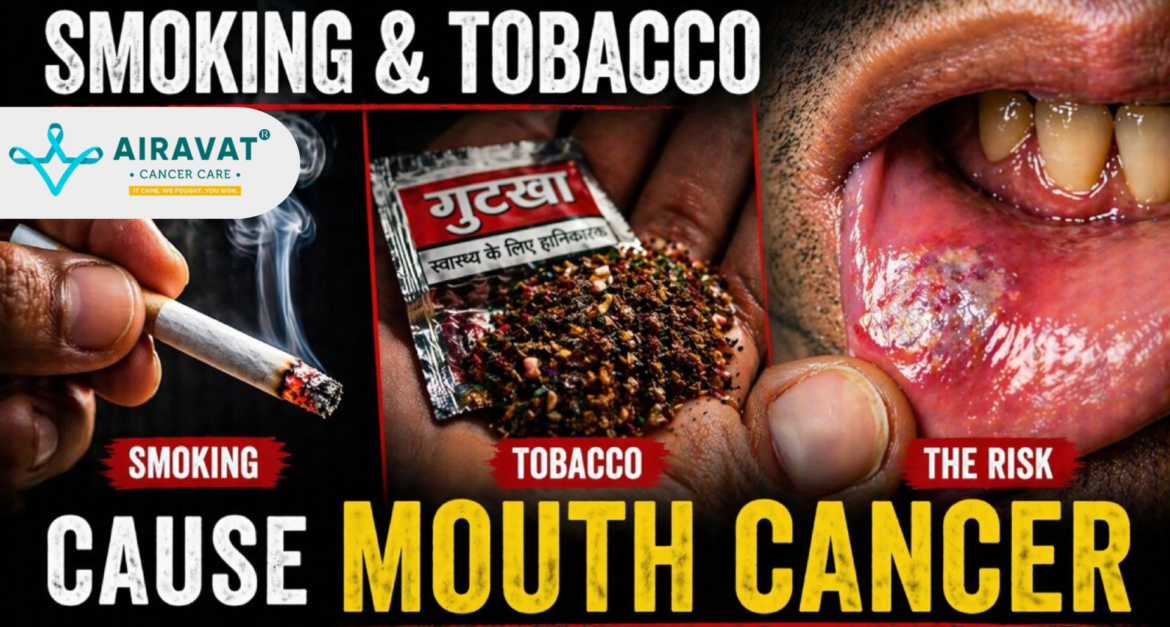
Many people associate smoking with lung disease, but very few realize that tobacco can seriously damage the mouth as well. If you smoke cigarettes, chew tobacco, use gutka, paan masala, or consume other tobacco products regularly, your risk of developing oral cancer increases significantly.
Oral cancer can affect the lips, tongue, gums, inner cheeks, roof of the mouth, and throat. What makes it dangerous is that early symptoms are often ignored because they may seem minor at first—like a small ulcer, white patch, or mild discomfort while eating.
The Biological Connection: Why Tobacco is a Silent Culprit
Tobacco contains over 7,000 chemicals, at least 70 of which are known carcinogens (cancer-causing agents). When you smoke or chew tobacco, these chemicals don’t just pass through; they linger. They damage the DNA in the cells of your mouth, tongue, and throat.
Our bodies are usually good at repairing damaged cells. However, constant exposure to tobacco smoke or juice overwhelms these repair mechanisms. Over time, the damaged cells begin to grow uncontrollably, forming tumors. This process is often slow and painless at first, which is why oral cancer is frequently diagnosed in later stages when it becomes harder to treat.
Smoking vs. Chewing: Is One Safer?
There is a common misconception that chewing tobacco is a “safer” alternative to smoking because it doesn’t affect the lungs. This could not be further from the truth. In fact, smokeless tobacco (gutka, khaini, mawa) is a major contributor to the high rates of oral cancer in India. When tobacco is kept in the cheek or under the lip for long periods, the soft tissues are continuously soaked in toxins, leading to a condition called Oral Submucous Fibrosis (OSMF), a precursor to cancer.
Recognizing the Red Flags: Symptoms to Watch For
Early detection is the most powerful tool in our arsenal. If you or a loved one are tobacco users, pay close attention to these symptoms. If they persist for more than two weeks, it is time to consult a specialist for Oral Cancer Treatment in Ahmedabad.
- Persistent Sores: Mouth ulcers or sores that do not heal within 14 days, even with local ointments.
- Discoloration: Red (erythroplakia) or white (leukoplakia) patches on the gums, tongue, or lining of the mouth.
- Lumps or Thickening: Any unusual lump or thickening in the cheek or neck area.
- Difficulty Moving the Jaw: Pain or stiffness while chewing, swallowing, or moving the tongue.
- Loose Teeth: Teeth that become loose without any clear dental reason like gum disease.
- Persistent Ear Pain: Pain that radiates to the ear but isn’t caused by an ear infection.
Diagnosis: The Path to Clarity
If a specialist suspects oral cancer, the diagnostic process is straightforward. It usually begins with a thorough physical examination where the doctor feels for lumps and looks for abnormal tissue.
If something suspicious is found, a biopsy is performed. This involves taking a small sample of the tissue and examining it under a microscope. Modern diagnostics also include imaging like CT scans or MRIs to see if the cancer has spread to nearby lymph nodes or other parts of the body. Knowing the exact stage helps us tailor the most effective treatment plan for you.
How Oral Cancer is Treated Today: Advanced Care Options
The treatment landscape for oral cancer has evolved significantly. At Airavat Cancer Care, we focus on a multidisciplinary approach, ensuring that we not only remove the cancer but also preserve the patient’s quality of life, including their ability to speak and eat.
- Surgery
Surgery is often the primary treatment for oral cancer. This involves removing the tumor and a small margin of healthy tissue around it. In some cases, surgeons may also remove lymph nodes in the neck to prevent the cancer from spreading further.
- Radiation Therapy
This uses high-energy beams (like X-rays) to kill cancer cells. It can be used as the main treatment for small tumors or after surgery to destroy any remaining microscopic cancer cells.
- Chemotherapy
Chemotherapy uses drugs to kill cancer cells throughout the body. In oral cancer, it is often combined with radiation (chemoradiation) to make the treatment more effective, especially in advanced cases.
- Targeted Therapy and Immunotherapy
These are newer, advanced treatments that target specific proteins in cancer cells or help your own immune system recognize and attack the cancer. These options offer hope for cases that might be resistant to traditional treatments.
The Road to Recovery and Rehabilitation
Recovery doesn’t end when the treatment finishes. It is a journey of healing and adaptation. Depending on the extent of the treatment, patients may need support in several areas:
- Speech Therapy: To help regain clarity in speaking if the tongue or jaw was involved.
- Dietary Counseling: To ensure proper nutrition through soft foods or specialized diets during the healing phase.
- Physical Therapy: To maintain mobility in the neck and shoulders after surgery.
- Emotional Support: Dealing with a cancer diagnosis is taxing. We encourage patients to join support groups or seek counseling to manage the emotional weight of the journey.
Prevention: How to Protect Your Future
Prevention is always better than cure. If you haven’t started using tobacco, don’t. If you are currently a user, here is how you can lower your risk:
- Quit Tobacco in All Forms: This is the single most effective step. Seek professional help or nicotine replacement therapy if needed.
- Regular Dental Checkups: Dentists are often the first to notice early signs of oral cancer.
- Healthy Diet: A diet rich in fruits and vegetables provides antioxidants that help repair damaged cells.
- Limit Alcohol: Combined with tobacco, alcohol significantly multiplies the risk of oral cancer.
Early Action Makes All the Difference
Tobacco use—whether smoked or chewed—is one of the biggest causes of oral cancer, yet it remains preventable. Paying attention to early symptoms and quitting tobacco can protect your health and even save your life.
If you notice unusual mouth changes or need expert Oral Cancer Treatment in Ahmedabad, connect with Airavat Cancer Care for timely diagnosis, compassionate care, and personalized treatment support. Early action can make all the difference.