
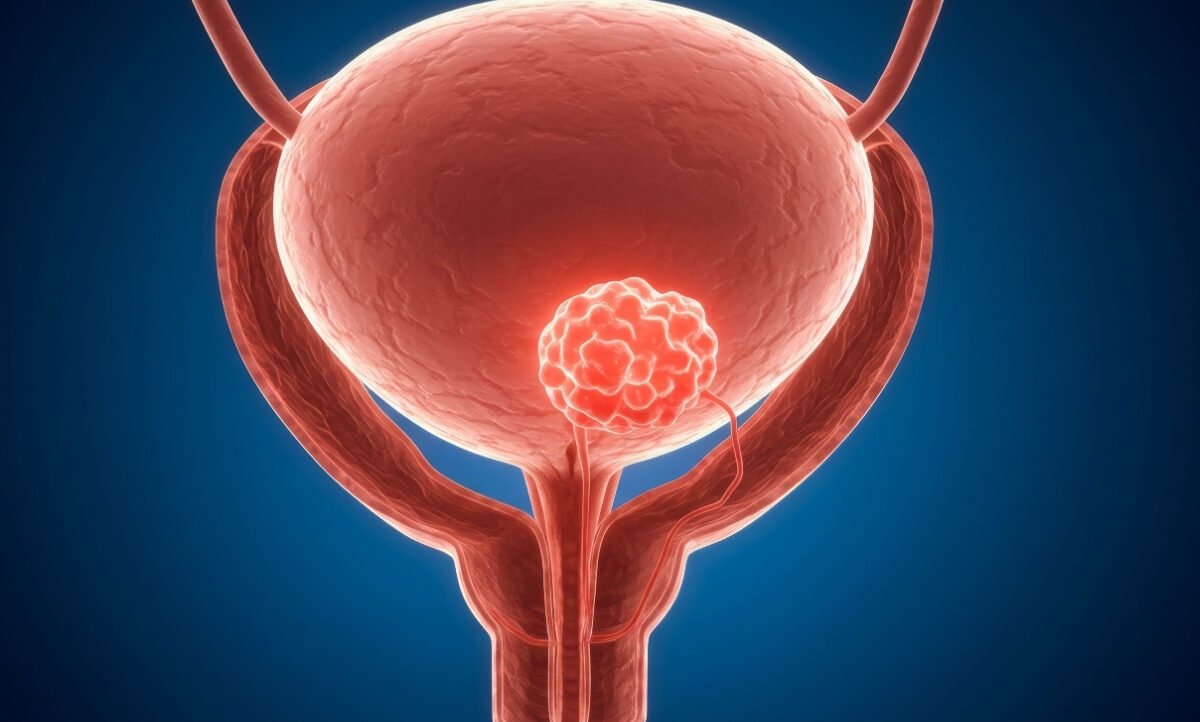
Bladder Cancer Treatment in Ahmedabad
Bladder cancer requires early detection, accurate diagnosis, and timely treatment to prevent progression and improve long-term outcomes. With advanced surgical techniques and comprehensive care, effective management is possible, especially when diagnosed at an early stage.
At Airavat Cancer Care Hospital, patients receive structured bladder cancer treatment supported by modern diagnostics, experienced specialists, and personalized care focused on safe recovery and long-term disease control.
What is Bladder Cancer?
Bladder cancer develops when abnormal cells grow uncontrollably in the lining of the bladder, the organ that stores urine. The most common type begins in the inner lining and may remain localized or spread to deeper layers and nearby organs if not treated early. Many cases are detected early because the condition often causes noticeable urinary symptoms.
Instant Business Growth
Marketing Strategy
Social Media Marketing
Strategy of Brands
Common Symptoms of Bladder Cancer
Bladder cancer often presents with urinary-related symptoms that should not be ignored:
Persistent urinary changes should be evaluated promptly.
Causes & Risk Factors
Several factors may increase the risk of developing bladder cancer:
Understanding risk factors helps in early detection and prevention.
Stages of Bladder Cancer
- Stage 0–I: Cancer limited to the inner lining of the bladder
- Stage II: Cancer spreads into the muscle layer of the bladder
- Stage III: Cancer spreads to surrounding tissues
- Stage IV: Cancer spreads to nearby organs or distant parts of the body
Early-stage bladder cancer is often highly treatable.
Diagnosis of Bladder Cancer
Diagnosis usually begins with a detailed medical history and urine examination to detect blood or abnormal cells. Imaging tests such as ultrasound, CT scan, or MRI help identify tumors and evaluate their spread. Cystoscopy, a procedure to examine the bladder using a thin camera, is commonly performed to directly visualize the tumor and take a biopsy. Tissue analysis confirms the diagnosis and helps determine the stage for proper treatment planning.
Treatment Options for Bladder Cancer
Treatment depends on the tumor stage, size, and overall patient health.
Transurethral Resection (TURBT)
A minimally invasive procedure used to remove early-stage tumors from the bladder lining and confirm diagnosis.
Partial or Radical Cystectomy
In advanced cases, part or the entire bladder may need to be removed to control cancer spread.
Intravesical Therapy
Medicines may be delivered directly into the bladder to treat early-stage cancer and reduce recurrence risk.
Chemotherapy
Chemotherapy may be used before or after surgery to destroy cancer cells and prevent spread.
Immunotherapy
Immunotherapy helps the immune system target and destroy cancer cells, especially in recurrent or advanced cases.
Advanced Surgical Expertise
Bladder cancer surgery requires careful planning to remove the tumor effectively while preserving urinary function whenever possible. Advanced surgical techniques focus on achieving complete cancer removal with minimal complications and improved recovery outcomes.
Recovery & Rehabilitation
Recovery varies depending on the type of treatment. Patients may need time to regain strength and adjust to urinary changes after surgery. Regular follow-up visits are important to monitor healing, detect recurrence early, and maintain overall health.

Why Choose Airavat Cancer Care for Bladder Cancer Treatment in Ahmedabad?
1. Specialized Uro-Oncology Care
2. Advanced Diagnostic Support
3. Personalized Treatment Approach
4. Minimally Invasive Treatment Options
5. Comprehensive Follow-Up Care
Frequently Asked Questions
Is bladder cancer curable if detected early?
Who is at higher risk of developing bladder cancer?
Can bladder cancer come back after treatment?
Is surgery always required for bladder cancer?
Can bladder cancer spread to other organs?
If you are experiencing urinary symptoms or have been diagnosed with bladder cancer, early consultation can make a significant difference.