
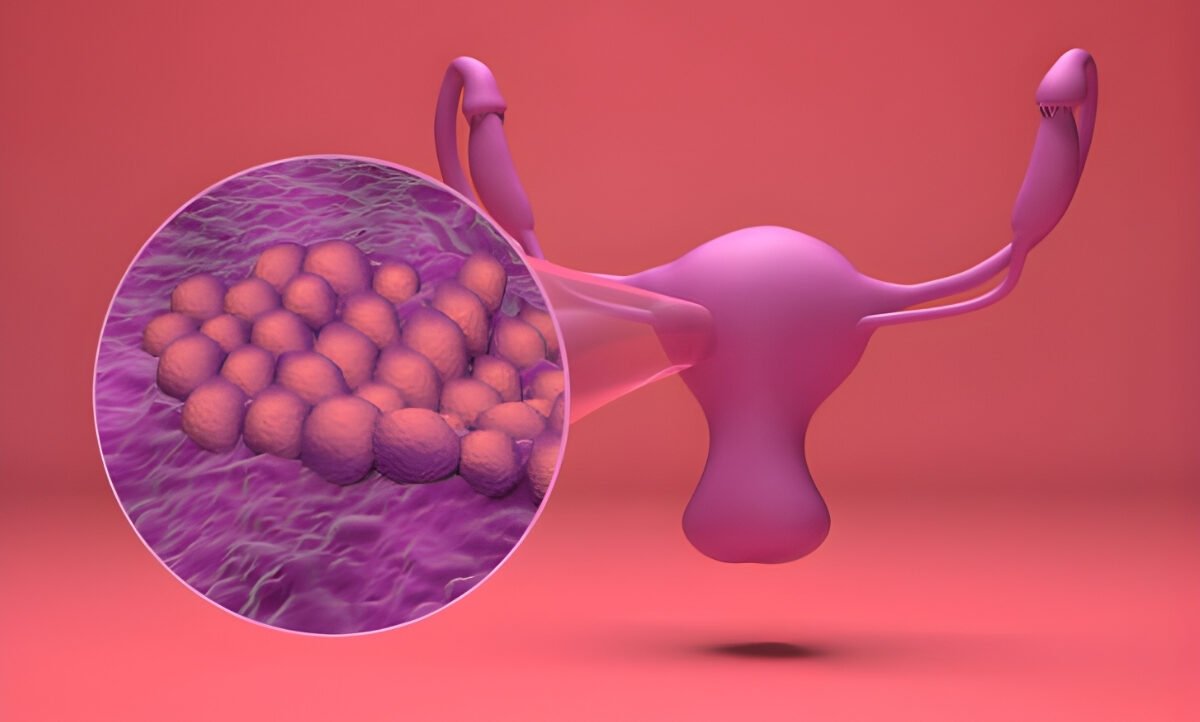
Uterine Cancer Treatment in Ahmedabad
Uterine cancer requires early diagnosis, precise surgical management, and comprehensive treatment planning to achieve the best outcomes. Timely medical attention significantly improves recovery rates and long-term health.
At Airavat Cancer Care Hospital, patients receive advanced uterine cancer treatment supported by experienced specialists, modern surgical techniques, and personalized care focused on safety, cure, and quality of life.
What is Uterine Cancer?
Uterine cancer, also known as endometrial cancer, develops in the lining of the uterus (endometrium). It is one of the most common gynecological cancers and is often detected early because it frequently causes abnormal vaginal bleeding. Early diagnosis plays a crucial role in successful treatment and improved survival outcomes.
Instant Business Growth
Marketing Strategy
Social Media Marketing
Strategy of Brands
Common Symptoms of Uterine Cancer
Uterine cancer often presents with noticeable symptoms, especially in early stages.
Any abnormal bleeding should be evaluated promptly by a specialist.
Causes & Risk Factors
Certain factors may increase the risk of uterine cancer:
Understanding risk factors helps in early monitoring and preventive care.
Stages of Uterine Cancer
- Stage I: Cancer confined to the uterus
- Stage II: Cancer spreads to the cervix
- Stage III: Cancer spreads to nearby tissues or lymph nodes
- Stage IV: Cancer spreads to distant organs
Early-stage uterine cancer has a high success rate with appropriate treatment.
Diagnosis of Uterine Cancer
Diagnosis begins with a detailed medical history and pelvic examination. Ultrasound imaging helps evaluate the thickness of the uterine lining. Endometrial biopsy is the most important test to confirm cancer by examining tissue under a microscope. Additional imaging such as CT or MRI scans may be advised to assess spread and determine staging. Accurate diagnosis allows proper treatment planning.
Treatment Options for Uterine Cancer
Treatment depends on cancer stage, patient age, and overall health condition.
Surgical Treatment
Surgery is the primary treatment and usually involves removal of the uterus along with surrounding tissues and, in some cases, lymph nodes. It aims to completely remove cancer while minimizing complications.
Minimally Invasive Surgery
In suitable cases, laparoscopic techniques may be used to reduce hospital stay and promote faster recovery.
Radiation Therapy
Radiation may be recommended after surgery in certain stages to reduce the risk of recurrence.
Chemotherapy
Chemotherapy may be used in advanced cases or when cancer has spread beyond the uterus.
Hormonal Therapy
In selected cases, hormone-based treatment may be advised to control cancer growth.
Advanced Surgical Expertise
Uterine cancer surgery requires precision and careful evaluation of surrounding tissues. The surgical team focuses on complete tumor removal, accurate staging, and minimizing postoperative complications to improve long-term outcomes.
Recovery & Rehabilitation
Recovery involves wound healing, gradual return to daily activities, and emotional support. Regular follow-up appointments help monitor healing and detect recurrence early. Lifestyle guidance and supportive care play an important role in long-term health.

Why Choose Airavat Cancer Care for Uterine Cancer Treatment in Ahmedabad?
1. Specialized Gynecologic Oncology Care
2. Advanced Diagnostic Support
3. Personalized Treatment Approach
4. Comprehensive Cancer Care Under One Roof
5. Structured Follow-Up & Long-Term Monitoring
Frequently Asked Questions
Is uterine cancer curable?
Who is at higher risk of uterine cancer?
Is surgery necessary for uterine cancer?
How long does recovery take after uterine cancer surgery?
Can uterine cancer recur after treatment?
If you are experiencing abnormal bleeding or have been diagnosed with uterine cancer, early consultation is important.