
Retroperitoneal Tumor Treatment in Ahmedabad
Advanced diagnosis and specialized surgical management for tumors developing in the retroperitoneal space, with a strong focus on complete tumor removal and preservation of surrounding vital structures. Retroperitoneal tumors occur in the deep abdominal space behind the abdominal organs. Because of their location, these tumors may grow silently and become large before causing noticeable symptoms.
At Airavat Cancer Care Hospital, treatment is carefully planned using advanced imaging and multidisciplinary evaluation to ensure safe and effective management.
What are Retroperitoneal Tumors?
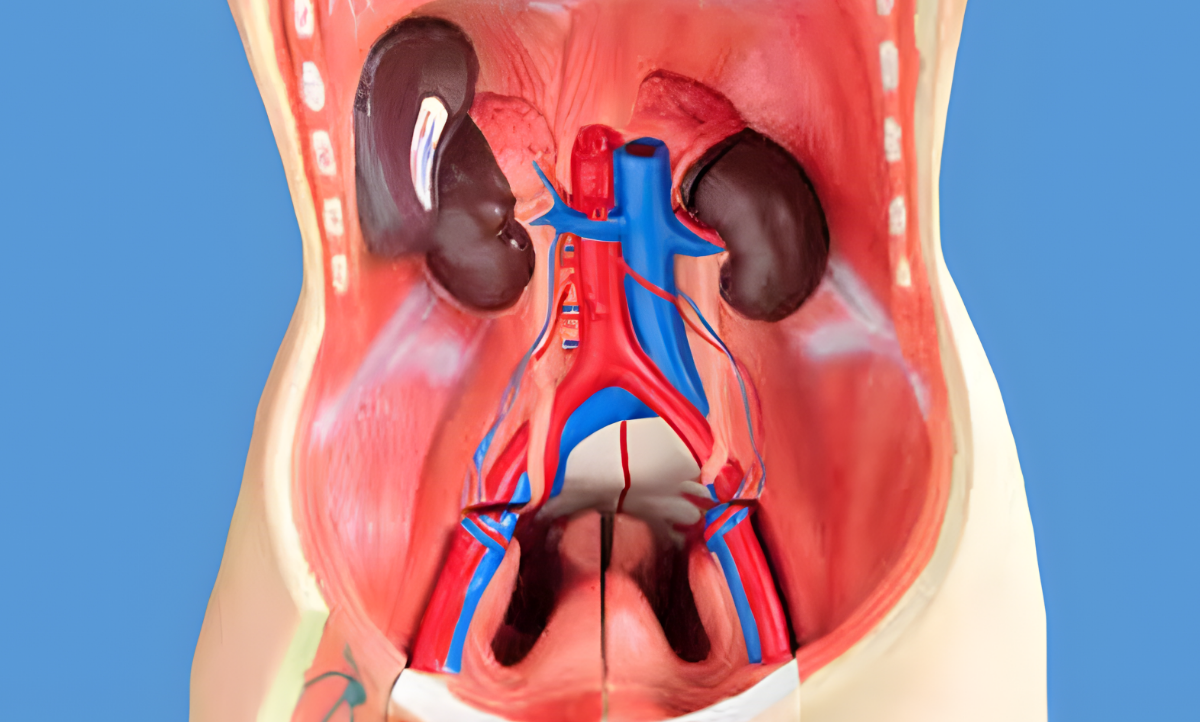
Retroperitoneal tumors develop in the retroperitoneum, the area located behind the abdominal cavity that contains major blood vessels, kidneys, adrenal glands, pancreas, and connective tissues. These tumors may be benign or malignant and often require specialized surgical expertise due to their proximity to critical organs.
Instant Business Growth
Marketing Strategy
Social Media Marketing
Strategy of Brands
Common Symptoms of Retroperitoneal Tumors
Common symptoms may include:
Symptoms may appear late due to the deep location of the tumor.
Causes & Risk Factors
Factors that may increase the risk include:
In many cases, the exact cause may not be clearly identified.
Diagnosis
Diagnosis typically involves imaging tests such as CT scan or MRI to determine tumor size, location, and involvement of nearby structures. A biopsy may be performed to confirm whether the tumor is benign or malignant and to guide treatment planning.
Treatment Options for Retroperitoneal Tumors
Treatment depends on the stage, location, and depth of the tumor, along with the patient’s overall health.
Surgical Tumor Removal
Surgery is often the primary treatment for retroperitoneal tumors. The goal is complete removal of the tumor while carefully preserving nearby organs, nerves, and major blood vessels to reduce complications and improve outcomes.
En Bloc Resection
In certain complex cases, surrounding involved tissues or adjacent organs may need to be removed along with the tumor to achieve complete cancer clearance and reduce the risk of recurrence.
Chemotherapy
Chemotherapy may be recommended before or after surgery, especially for malignant tumors, to shrink the tumor size or eliminate remaining cancer cells.
Radiation Therapy
Radiation therapy may be used in selected cases to reduce tumor size before surgery or to lower the chances of recurrence after tumor removal.
Targeted Therapy
For specific tumor types, targeted therapy may be advised to act on particular cancer cell pathways and help control tumor growth.
Advanced Surgical Expertise
Retroperitoneal tumor surgery requires careful planning due to the complex anatomy of the area. Advanced surgical techniques and meticulous dissection help achieve complete tumor removal while protecting vital organs and major blood vessels.
Recovery & Rehabilitation
Post-surgical recovery involves close monitoring, pain management, and gradual return to daily activities. Regular follow-up appointments are important to assess healing and detect any recurrence at an early stage.

Why Choose Airavat Cancer Care for Retroperitoneal Tumor Treatment in Ahmedabad?
1. Experienced Surgical Oncology Team
2. Advanced Imaging & Diagnostic Support
3. Personalized Treatment Planning
4. Multidisciplinary Care Approach
5. Comprehensive Follow-Up Care
Frequently Asked Questions
Are retroperitoneal tumors always cancerous?
Why are retroperitoneal tumors often detected late?
Is surgery risky for retroperitoneal tumors?
Can retroperitoneal tumors recur after surgery?
Does early detection improve outcomes?
If you are experiencing persistent abdominal or back symptoms, early evaluation is important. Schedule an appointment today for expert retroperitoneal tumor treatment.