Testicular Cancer Treatment in Ahmedabad
Testicular cancer is one of the most treatable cancers, especially when diagnosed early. Prompt medical evaluation and expert surgical care play a crucial role in ensuring excellent recovery outcomes.
At Airavat Cancer Care Hospital, patients receive structured and personalized testicular cancer treatment supported by accurate diagnosis, advanced surgical techniques, and comprehensive follow-up care focused on long-term health.
What is Testicular Cancer?
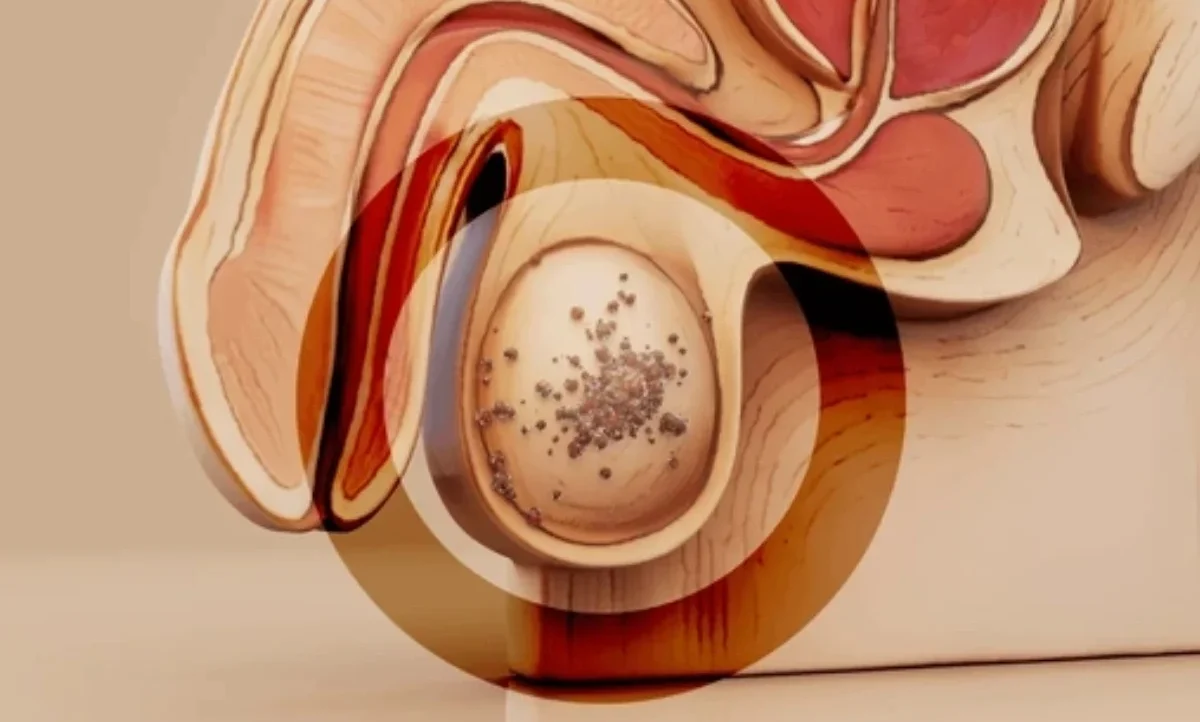
Testicular cancer develops in the testicles, which are responsible for producing sperm and male hormones. It most commonly affects younger and middle-aged men. In many cases, it presents as a painless lump or swelling in one testicle. Early detection significantly improves treatment success and survival rates.
Common Symptoms of Testicular Cancer
Common signs and symptoms include:
Any unusual change in the testicles should be evaluated promptly.
Causes & Risk Factors
Certain factors may increase the risk of testicular cancer:
Regular self-examination helps in early detection.
Stages of Testicular Cancer
- Stage I: Cancer confined to the testicle
- Stage II: Cancer spreads to nearby lymph nodes
- Stage III: Cancer spreads to distant organs such as lungs
Even advanced stages of testicular cancer are often highly treatable with appropriate therapy.
Diagnosis of Testicular Cancer
Diagnosis begins with a physical examination to assess swelling or lumps. Ultrasound of the scrotum is commonly used to evaluate abnormalities. Blood tests for tumor markers help support diagnosis and staging. If cancer is suspected, surgical removal of the affected testicle (orchiectomy) is performed to confirm the diagnosis and prevent further spread. Additional imaging tests such as CT scans may be recommended to determine the extent of disease.
Treatment Options for Testicular Cancer
Treatment depends on the cancer type, stage, and overall health.
Radical Orchiectomy
Surgical removal of the affected testicle is the primary treatment and helps confirm diagnosis and control disease spread.
Chemotherapy
Chemotherapy may be recommended after surgery in certain stages to eliminate remaining cancer cells and reduce recurrence risk.
Radiation Therapy
Radiation may be used in selected types of testicular cancer to target lymph nodes.
Surveillance (Active Monitoring)
In early-stage cases, close monitoring with regular tests may be recommended after surgery instead of immediate additional treatment.
Advanced Surgical Expertise
Testicular cancer surgery is performed with precision to remove the tumor safely while preserving overall health and hormonal balance. Treatment planning is carefully structured to maintain long-term well-being and fertility whenever possible.
Recovery & Rehabilitation
Recovery after surgery is usually quick, with many patients resuming daily activities within a short period. Emotional support and counseling may be helpful, especially for younger patients. Regular follow-up visits are essential to monitor recovery and detect recurrence early.
Why Choose Airavat Cancer Care for Testicular Cancer Treatment in Ahmedabad?
1. Experienced Onco-Surgical Care
2. Accurate Diagnostic Support
3. Personalized Treatment Approach
4. Fertility & Hormonal Considerations
5. Comprehensive Follow-Up Care
Frequently Asked Questions
Is testicular cancer curable?
Does removal of one testicle affect fertility?
At what age is testicular cancer most common?
Can testicular cancer spread to other organs?
How often should self-examination be done?
If you are experiencing testicular symptoms or have been diagnosed with testicular cancer, early consultation can make a significant difference.