
Breast Oncoplasty in Ahmedaabd
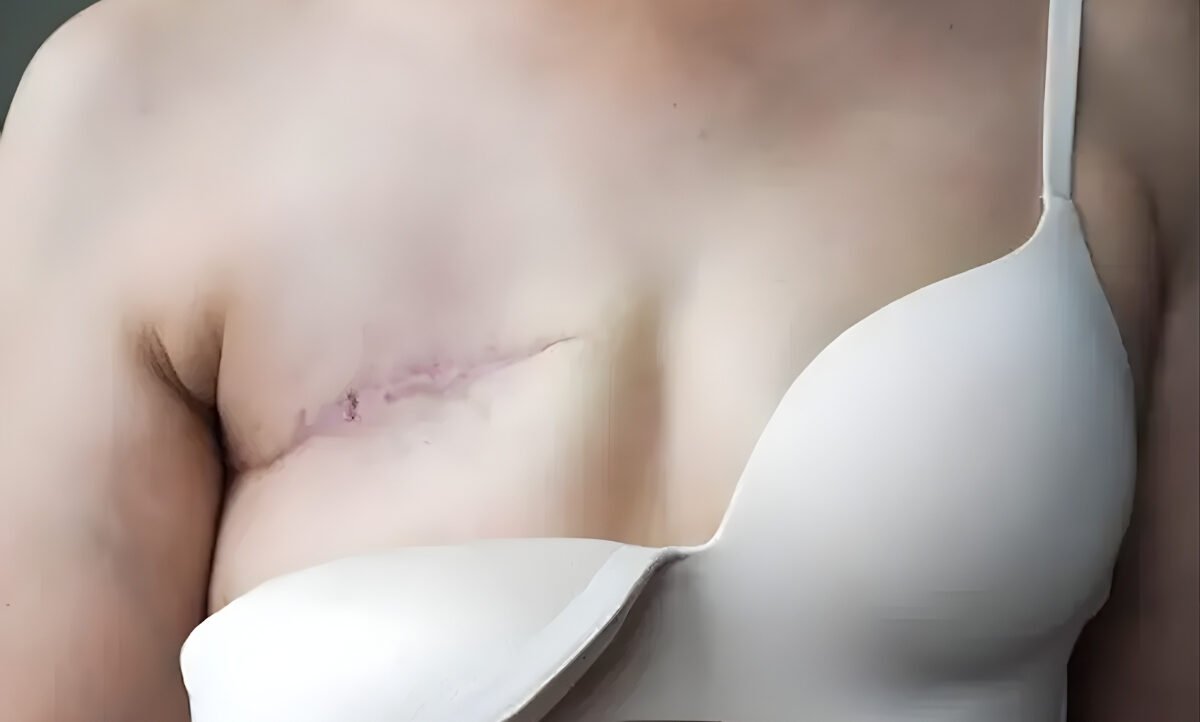
Breast oncoplasty is an advanced surgical approach that combines cancer removal with plastic and reconstructive techniques to preserve or restore the natural shape of the breast. Unlike traditional breast cancer surgery, which focuses primarily on tumor removal, oncoplastic surgery ensures that cosmetic outcomes are carefully planned alongside oncologic safety. This approach is especially valuable for women who require removal of a significant portion of breast tissue but wish to maintain symmetry and body confidence after treatment.
At Airavat Cancer Care, breast oncoplasty is performed with a dual objective — complete cancer clearance with clear margins and optimal aesthetic reconstruction in the same surgical setting. Our team carefully evaluates tumor size, breast volume, patient preference, and overall treatment plan to design a personalized surgical strategy that prioritizes both cure and cosmetic outcome.
What Is Breast Oncoplasty?
Breast oncoplasty is a specialized surgical technique that integrates principles of surgical oncology and plastic surgery. It involves removing the breast tumor (lumpectomy or wide local excision) while reshaping the remaining breast tissue to maintain contour and symmetry. In many cases, the opposite breast may also be adjusted for balance and symmetry.
This approach is particularly useful when the tumor is large relative to breast size or located in a position that may otherwise cause visible deformity after standard breast-conserving surgery. By combining cancer surgery with reconstructive planning, breast oncoplasty allows patients to undergo effective treatment without compromising their body image.
When is Breast Oncoplasty Recommended?
Breast oncoplastic surgery is recommended when a patient requires breast-conserving surgery but the tumor size, location, or breast volume may lead to noticeable deformity after removal. It is especially useful when the tumor occupies a significant proportion of the breast, is located in a cosmetically sensitive area, or when maintaining symmetry is an important concern.
It may also be advised for patients who prefer breast preservation over mastectomy and are suitable candidates for radiation therapy after surgery. Careful evaluation ensures that oncologic safety is never compromised.
Conditions Treated
Breast oncoplasty is performed for early and selected locally advanced breast cancers that are amenable to breast-conserving surgery. It is commonly indicated in invasive ductal carcinoma, invasive lobular carcinoma, ductal carcinoma in situ (DCIS), and selected multifocal tumors where breast preservation is feasible.
It may also be considered in patients requiring re-excision after previous lumpectomy if adequate reshaping can still be achieved.
How is Breast Oncoplasty Performed
The procedure begins with detailed imaging and surgical planning to map tumor location and determine incision placement. During surgery, the tumor is removed with adequate margins to ensure complete cancer clearance. Immediately afterward, the remaining breast tissue is rearranged using plastic surgical techniques to restore contour and maintain volume balance.
Depending on breast size and tumor position, techniques such as glandular reshaping, local tissue rearrangement, or reduction mammoplasty patterns may be used. In appropriate cases, the opposite breast may undergo a symmetry procedure during the same operation. Sentinel lymph node biopsy or axillary evaluation may also be performed when indicated.
Postoperative radiation therapy is commonly recommended following breast-conserving surgery to reduce recurrence risk.
Benefits of Breast Oncoplasty
Breast oncoplasty offers the advantage of effective cancer treatment without compromising cosmetic outcome. It reduces the likelihood of breast deformity, contour irregularity, or asymmetry after tumor removal. The procedure allows removal of larger tumors while still preserving the breast, potentially avoiding mastectomy in selected patients.
By integrating reconstruction into the same surgery, patients often experience improved body image, emotional well-being, and long-term satisfaction with their treatment outcome. Importantly, oncologic safety remains the primary priority throughout the procedure.
Advanced Surgical Expertise, Recovery & Rehabilitation
Successful breast oncoplastic surgery requires careful coordination between oncologic and reconstructive planning. Precise incision placement, preservation of blood supply, and meticulous tissue handling are essential for optimal healing and aesthetic results.
Recovery is similar to other breast-conserving procedures. Most patients resume routine activities within a few weeks. Mild swelling, temporary discomfort, and minor changes in breast sensation may occur but usually improve over time. Regular follow-up ensures proper wound healing and early detection of recurrence.
Long-term monitoring includes clinical examination and imaging as part of structured cancer surveillance.

Why Choose Airavat Cancer Care for Breast Oncoplasty?
1. Integrated Oncologic and Reconstructive Expertise
2. Personalized Surgical Planning
3. Multidisciplinary Treatment Coordination
4. Advanced Tissue Reshaping Techniques
5. Comprehensive Postoperative Follow-Up
Frequently Asked Questions
Is breast oncoplasty as safe as traditional breast cancer surgery?
Will I need radiation therapy after this procedure?
Can large tumors be treated with breast oncoplasty?
Will both breasts look symmetrical after surgery?
Does breast oncoplasty delay chemotherapy?
Consult our surgical oncology team to explore breast-conserving cancer treatment options that combine oncologic safety with aesthetic reconstruction.