
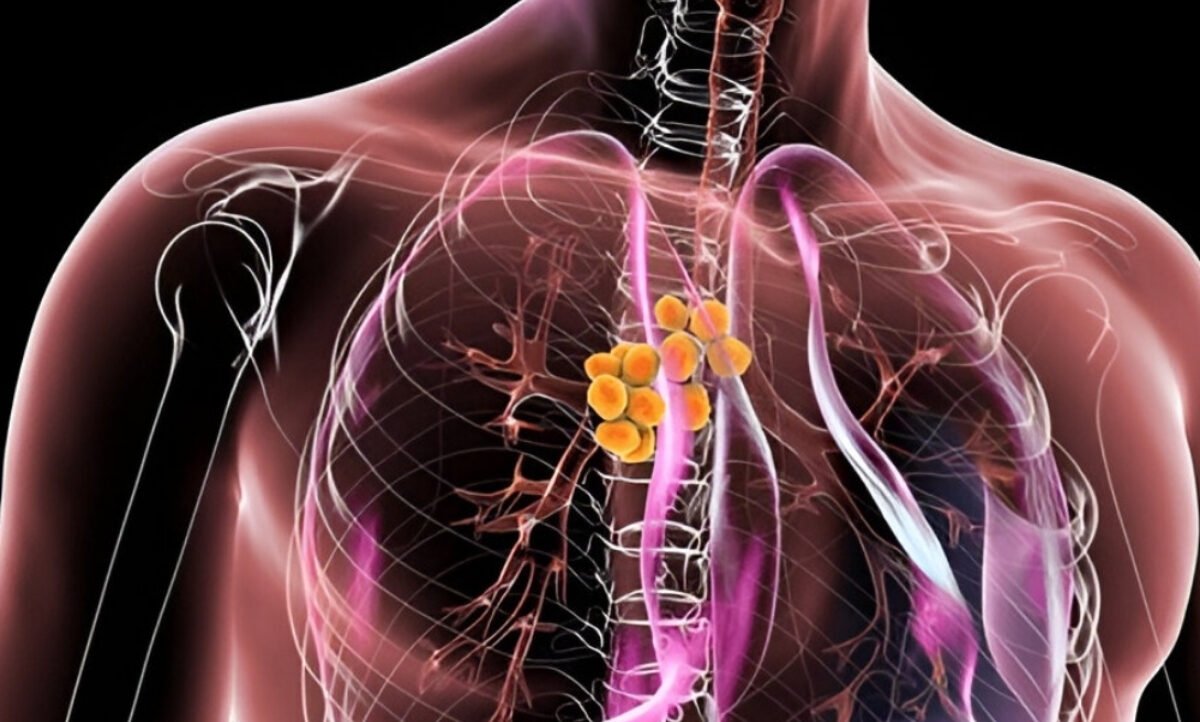
Mediastinal Cancer Treatment in Ahmedabad
Mediastinal cancers develop in the mediastinum, the central compartment of the chest located between the lungs that contains vital structures such as the heart, trachea, esophagus, and lymph nodes. Tumors in this region can affect breathing, circulation, and nearby organs if not detected early.
At Airavat Cancer Care Hospital, patients receive comprehensive care for mediastinal tumors through accurate diagnosis, advanced surgical planning, and personalized treatment strategies focused on safe tumor removal and long-term recovery.
What is Mediastinal Cancer?
Mediastinal cancer refers to abnormal growths that develop in the mediastinum, the area between the lungs. These tumors may arise from lymph nodes, thymus gland, nerve tissues, or connective tissues present in this region. Depending on their location and type, mediastinal tumors can be benign or malignant and may require specialized surgical or medical treatment.
Instant Business Growth
Marketing Strategy
Social Media Marketing
Strategy of Brands
Common Symptoms of Mediastinal Cancer
Common symptoms may include:
Symptoms often occur due to pressure on nearby organs and structures.
Stages of Mediastinal Cancer
- Stage I: Tumor localized within the mediastinum
- Stage II: Spread to nearby tissues or lymph nodes
- Stage III: Involvement of surrounding organs
- Stage IV: Spread to distant parts of the body
Staging helps determine the most effective treatment approach.
Diagnosis of Tongue Cancer
Diagnosis of mediastinal cancer involves imaging tests such as chest X-ray, CT scan, or MRI to identify abnormal masses in the mediastinum. PET scans may be performed to assess tumor activity and spread. In many cases, a biopsy is required to determine the type of tumor and confirm malignancy. Additional investigations help evaluate the involvement of nearby organs and guide appropriate treatment planning.
Treatment Options for Mediastinal Cancer
Treatment depends on the stage, location, and depth of the tumor, along with the patient’s overall health.
Surgical Removal of Tumor
Surgery may be performed to remove the tumor along with surrounding affected tissues to prevent further spread.
Minimally Invasive Thoracic Surgery
Selected tumors may be treated using minimally invasive surgical techniques that allow precise tumor removal with faster recovery.
Chemotherapy
Chemotherapy may be used before or after surgery to destroy cancer cells and improve treatment outcomes.
Radiation Therapy
Radiation therapy may be recommended to control tumor growth or reduce the risk of recurrence.
Targeted Therapy
Targeted treatment options may be used in certain cases based on tumor biology.
Immunotherapy
Immunotherapy may help strengthen the immune response against cancer cells in specific tumor types.
Advanced Surgical Expertise
Surgical management of mediastinal tumors requires careful planning due to the presence of vital organs in this region. Advanced surgical techniques are used to remove tumors safely while preserving nearby structures.
Recovery & Rehabilitation
Post-treatment care focuses on pain management, respiratory support, and gradual return to daily activities. Regular follow-ups are important for monitoring recovery and detecting recurrence early.

Why Choose Airavat Cancer Care for Mediastinal Cancer Treatment in Ahmedabad?
1. Experienced Oncology Team
2. Advanced Diagnostic Support
3. Personalized Treatment Planning
4. Minimally Invasive Surgical Options
5. Comprehensive Cancer Care
Frequently Asked Questions
What causes mediastinal tumors?
Are mediastinal tumors always cancerous?
Is surgery required for mediastinal cancer?
Can mediastinal tumors affect breathing?
Are follow-up visits necessary after treatment?
If you are experiencing symptoms or have been diagnosed with a mediastinal tumor, timely consultation is essential.