
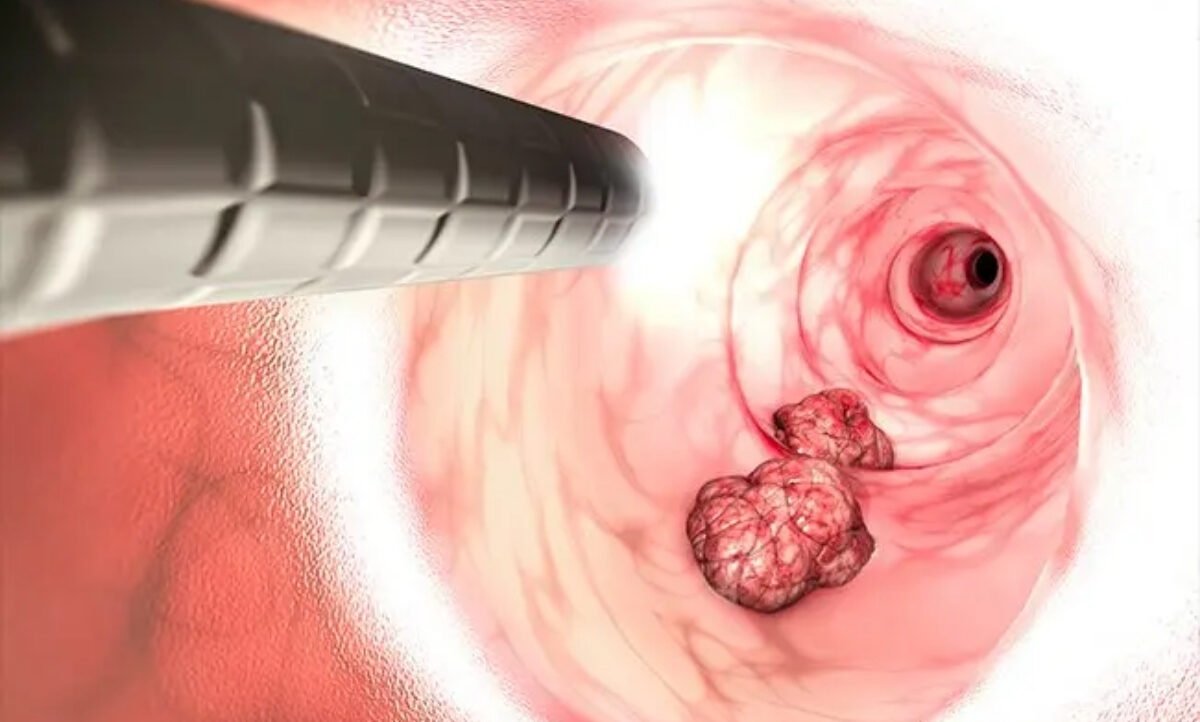
Rectal Cancer Treatment in Ahmedabad
Rectal cancer develops in the rectum, the lower part of the large intestine that connects the colon to the anus. It may affect bowel function and overall digestive health, especially if not detected and treated at an early stage.
At Airavat Cancer Care Hospital, patients receive comprehensive rectal cancer care through accurate diagnosis, advanced surgical expertise, and personalized treatment planning focused on safe tumor removal and improved quality of life.
What is Rectal Cancer?
Rectal cancer occurs when abnormal cells grow uncontrollably in the lining of the rectum. Over time, these cancerous cells can form tumors and may spread to nearby lymph nodes or distant organs if not treated promptly.
Instant Business Growth
Marketing Strategy
Social Media Marketing
Strategy of Brands
Common Symptoms of Rectal Cancer
Common symptoms may include:
Symptoms may vary depending on tumor size and location.
Causes and Risk Factors of Rectal Cancer
Risk factors for rectal cancer may include family history of colorectal cancer, unhealthy diet, obesity, smoking, alcohol consumption, and increasing age. Individuals with inflammatory bowel disease or previous colon polyps may also have an increased risk of developing rectal cancer.
Stages of Rectal Cancer
- Stage I: Cancer confined to the rectal lining
- Stage II: Spread to deeper layers of rectal wall
- Stage III: Spread to nearby lymph nodes
- Stage IV: Spread to distant organs
Staging helps determine the most suitable treatment approach.
Diagnosis of Rectum Cancer
Diagnosis of rectal cancer involves clinical evaluation along with imaging tests such as CT scan, MRI, or colonoscopy to detect abnormal growths in the rectum. A biopsy may be performed during colonoscopy to confirm the presence of cancer cells. Additional investigations help determine the stage of the cancer and guide appropriate treatment planning.
Treatment Options for Rectal Cancer
Treatment depends on the stage, location, and depth of the tumor, along with the patient’s overall health.
Surgical Removal of Tumor (Rectal Resection)
Surgery may be performed to remove the tumor along with nearby lymph nodes to prevent cancer spread.
Minimally Invasive Rectal Cancer Surgery
Selected patients may benefit from laparoscopic surgical techniques that allow tumor removal with smaller incisions and faster recovery.
Chemotherapy
Chemotherapy may be used before or after surgery to destroy cancer cells and reduce the risk of recurrence.
Radiation Therapy
Radiation therapy may be recommended before or after surgery to control tumor growth.
Targeted Therapy
Targeted medications may be used in certain cases to slow cancer progression.
Immunotherapy
Immunotherapy helps strengthen the immune system to recognize and attack cancer cells.
Advanced Surgical Expertise
Rectal cancer surgery requires careful planning to remove the tumor while preserving bowel function and surrounding structures. Advanced surgical techniques are used to ensure complete tumor removal with minimal complications.
Recovery & Rehabilitation
Recovery after rectal cancer treatment includes dietary support, physical rehabilitation, and regular follow-up visits to monitor healing. Continuous monitoring helps detect recurrence early and supports long-term digestive health.

Why Choose Airavat Cancer Care for Rectal Cancer Treatment in Ahmedabad?
1. Experienced Oncology Team
2. Advanced Diagnostic Support
3. Personalized Treatment Planning
4. Minimally Invasive Surgical Options
5. Comprehensive Follow-Up Care
Frequently Asked Questions
Is rectal cancer different from colon cancer?
Can rectal cancer be treated successfully if detected early?
Is radiation therapy necessary for rectal cancer?
How is rectal cancer diagnosed?
Are follow-up visits required after treatment?
If you are experiencing symptoms or have been diagnosed with rectal cancer, timely consultation is important.