
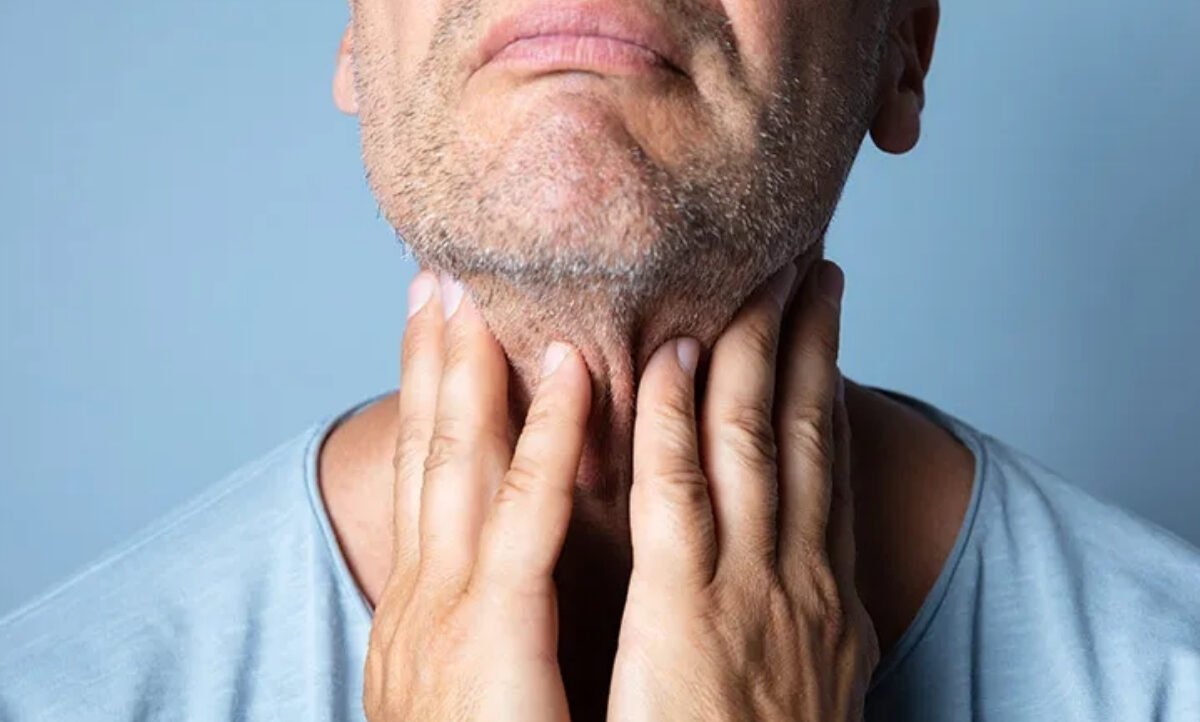
Salivary Gland Cancer Treatment in Ahmedabad
Advanced diagnosis, precise surgical care, and comprehensive treatment for cancers affecting the salivary glands, with a strong focus on facial nerve preservation, functional recovery, and long-term disease control. At Airavat Cancer Care, patients receive specialized head & neck oncology treatment from an experienced team using modern surgical techniques and a multidisciplinary approach, ensuring personalized care and complete support throughout the treatment journey in Ahmedabad.
What is Salivary Gland Cancer?
Salivary gland cancer develops in the glands that produce saliva, which help in chewing, swallowing, and digestion. These glands are located near the jaw, below the ears, and under the tongue. Tumors can arise in the parotid, submandibular, or minor salivary glands.
Although relatively less common than other head and neck cancers, early diagnosis and timely treatment are important to prevent spread and protect nearby structures such as facial nerves.
Instant Business Growth
Marketing Strategy
Social Media Marketing
Strategy of Brands
Common Symptoms of Salivary Gland Cancer
Symptoms may appear gradually and are often painless in the early stages. Common warning signs include:
Any persistent swelling or lump in the jaw or cheek region should be evaluated by a specialist.
Causes & Risk Factors
The exact cause of salivary gland cancer is not always clear, but certain factors may increase the risk:
Some tumors may develop without any known risk factor, which makes early evaluation of symptoms important.
Stages of Salivary Gland Cancer
Salivary gland cancers are staged based on tumor size and spread:
Stage I: Small tumor limited to the gland
Stage II: Larger tumor but still localized
Stage III: Spread to nearby tissues or lymph nodes
Stage IV: Advanced stage with deeper tissue or distant spread
Early-stage cancers are easier to treat and often require less extensive treatment.
Diagnosis of Salivary Gland Cancer
A detailed evaluation helps confirm the diagnosis and plan the best treatment approach. This may include:
These investigations help determine the exact nature and stage of the tumor.
Treatment Options for Salivary Gland Cancer
Treatment depends on the tumor type, size, location, and stage.
Surgical Treatment
Surgery is the primary treatment for most salivary gland cancers. The goal is to remove the tumor completely while preserving nearby structures, especially the facial nerve, whenever possible.
In some cases, lymph nodes in the neck may also be removed if there is a risk of spread.
Reconstructive Surgery
If a larger tumor is removed, reconstructive procedures may be performed to restore facial contour and function. Careful planning helps maintain symmetry and support recovery.
Radiation Therapy
Radiation therapy may be used:
- After surgery to reduce the risk of recurrence
- For tumors that cannot be fully removed
- In advanced-stage disease
Chemotherapy
Chemotherapy may be used in selected advanced cases, often along with radiation therapy to improve treatment response.
Targeted Therapy & Immunotherapy
In certain cases, advanced therapies may be considered to help control disease progression and improve outcomes.
Advanced Surgical Expertise
Treatment of salivary gland cancer requires precision and careful planning due to the presence of important nerves and facial structures. Surgical management focuses on:
- Complete tumor removal
- Preservation of facial nerve function
- Maintaining Facial Appearance
- Reducing recurrence risk
Modern techniques help achieve effective cancer control while protecting function.
Recovery & Rehabilitation
Recovery depends on the size of the tumor and the type of treatment performed.
Post-treatment care may include:
- Facial Movement Exercises
- Nutritional support
- Pain management
- Regular follow-up visits
Most patients gradually return to normal activities with proper care and guidance.

Why Choose Airavat Cancer Care for Salivary Gland Cancer Treatment?
1. Specialized Head & Neck Oncology Expertise
2. Advanced Surgical Techniques
3. Multidisciplinary Treatment Approach
4. Functional Preservation Focus
5. Comprehensive Cancer Care
6. Patient-Centered Support
Frequently Asked Questions
Is salivary gland cancer curable?
Is surgery always required for salivary gland cancer?
Can facial movement be affected after treatment?
How is salivary gland cancer detected?
Can this cancer spread to other parts of the body?
A painless lump near the jaw or ear should never be ignored. Early consultation can help detect salivary gland tumors at a treatable stage and improve outcomes.