
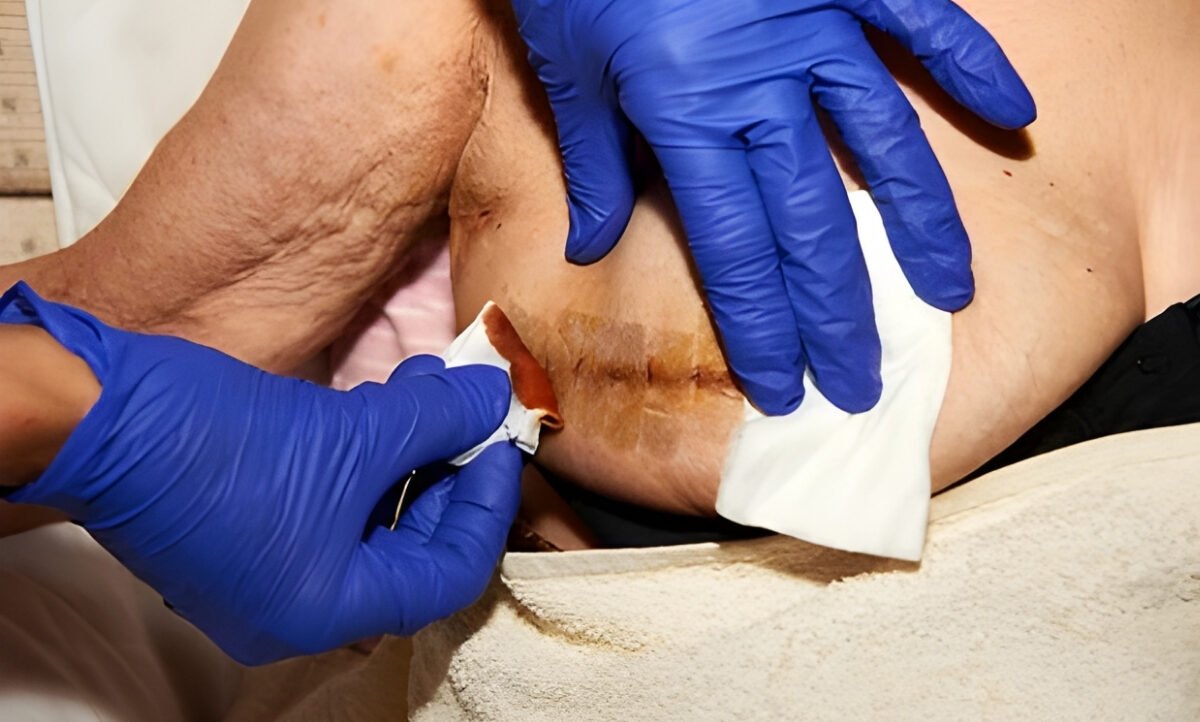
Sentinel Lymph Node Biopsy in Ahmedabad
Sentinel Lymph Node Biopsy (SLNB) is a minimally invasive surgical procedure performed to determine whether breast cancer has spread to the lymph nodes. It is a critical staging procedure that helps guide further treatment decisions while significantly reducing surgical morbidity compared to full axillary lymph node dissection.
At Airavat Cancer Care, Sentinel Lymph Node Biopsy is performed using precise mapping techniques to accurately identify and remove the first lymph node(s) that drain the breast tumor. This allows accurate cancer staging while minimizing the risk of complications such as lymphedema.
What Is Sentinel Lymph Node Biopsy?
Sentinel Lymph Node Biopsy is a diagnostic surgical procedure used to evaluate the first lymph node, known as the “sentinel node,” to which cancer cells are most likely to spread from the primary breast tumor. If this node is free of cancer, it is highly likely that the remaining lymph nodes are also unaffected.
By targeting only the sentinel nodes instead of removing multiple lymph nodes, this technique reduces surgical trauma while maintaining oncologic accuracy.
When Is Sentinel Lymph Node Biopsy Recommended?
Sentinel Lymph Node Biopsy may be recommended in:
Conditions Treated
Sentinel Lymph Node Biospy may be used for:
How Is Sentinel Lymph Node Biopsy Performed?
Before surgery, a radioactive tracer and/or blue dye is injected near the tumor site. These substances travel through lymphatic channels to the first draining lymph node. During surgery, a specialized detection device identifies the sentinel node, which is then carefully removed through a small incision.
The removed lymph node is sent for pathological examination to detect cancer cells. If no cancer is found, no further lymph node removal is required. If cancer is detected, additional treatment decisions are made based on disease extent and current oncologic guidelines.
The procedure is often performed alongside breast-conserving surgery or mastectomy and typically adds minimal operative time.
Benefits of Sentinel Lymph Node Biopsy
Advanced Surgical Expertise, Recovery & Rehabilitation
Sentinel Lymph Node Biopsy requires precise mapping and surgical accuracy to ensure correct identification of sentinel nodes. Our team uses standardized protocols and advanced detection techniques to maximize diagnostic reliability.
Recovery is typically rapid, with most patients resuming routine activities within a few days. Mild arm stiffness or temporary discomfort may occur but usually resolves quickly. Postoperative guidance includes arm mobility exercises and monitoring for early signs of lymphedema, although the risk remains low compared to full node dissection.
Long-term follow-up ensures ongoing surveillance and timely management of any treatment-related concerns.

Why Choose Airavat Cancer Care for Sentinel Lymph Node Biopsy?
1. Precision-Based Lymphatic Mapping Techniques
2. Minimally Invasive Surgical Approach
3. Evidence-Based Treatment Decisions
4. Reduced Risk of Lymphedema
5. Comprehensive Postoperative Monitoring
Frequently Asked Questions
Is Sentinel Lymph Node Biopsy safe?
What happens if the sentinel node is positive?
Will I develop arm swelling after SLNB?
Does the procedure require hospitalization?
Can SLNB be done after chemotherapy?
Meet our surgical oncology team to determine whether Sentinel Lymph Node Biopsy is appropriate for accurate staging and minimally invasive breast cancer management.