
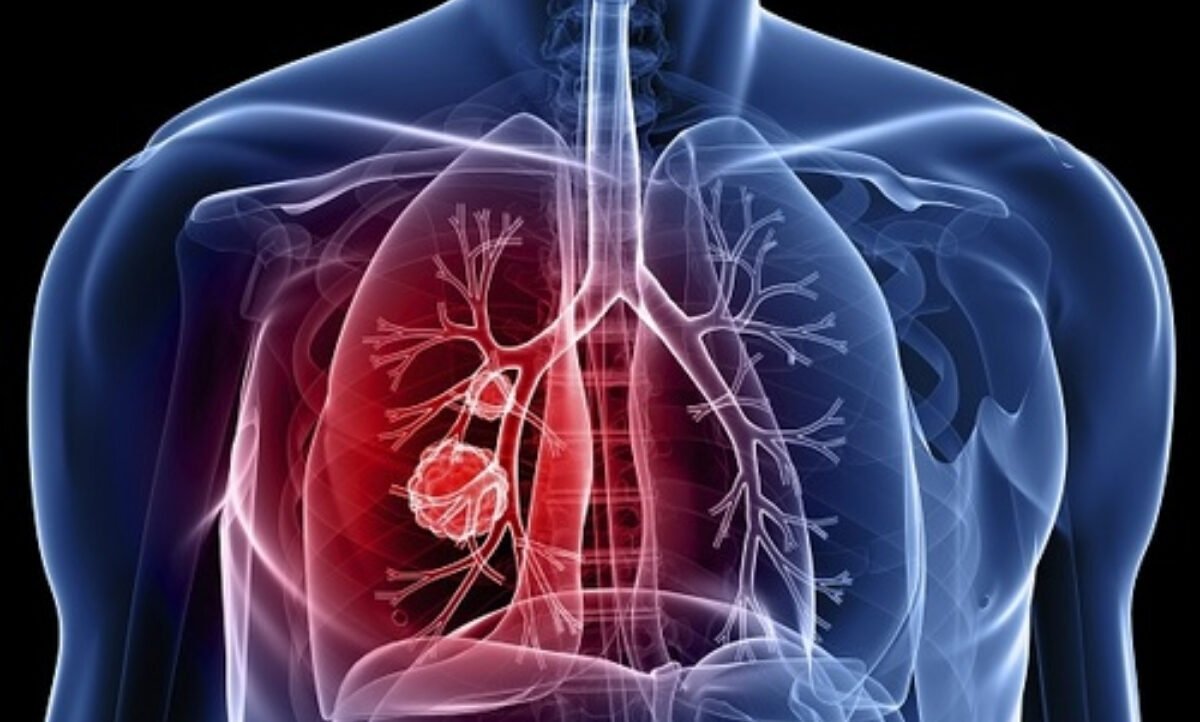
Thoracic Cancer Treatment in Ahmedabad
Thoracic cancers are tumors that develop within the chest region, including the lungs, esophagus, thymus gland, and mediastinum. These cancers may affect breathing, swallowing, and other vital functions if not diagnosed and treated at an early stage.
At Airavat Cancer Care Hospital, patients receive comprehensive thoracic cancer care through accurate diagnosis, advanced surgical expertise, and personalized treatment planning for improved clinical outcomes and quality of life.
What is Thoracic Cancer?
Thoracic cancer refers to a group of cancers that arise within the chest cavity, including organs such as the lungs, esophagus, and thymus gland, as well as the mediastinal structures. These cancers may develop from abnormal cell growth in tissues within the thoracic region and can spread to nearby lymph nodes or distant organs if not treated promptly.
Thoracic Cancer Types Treated at Airavat Cancer Care
Instant Business Growth
Marketing Strategy
Social Media Marketing
Strategy of Brands
Symptoms of Thoracic Cancer
Common symptoms may include:
Diagnosis
Diagnosis of thoracic cancers involves imaging studies such as chest X-ray, CT scan, PET scan, or MRI to identify abnormal growths in the chest region. Additional procedures such as bronchoscopy, endoscopy, or biopsy may be required to confirm the presence of cancer cells and determine tumor type. Accurate staging investigations help evaluate disease spread and guide appropriate treatment planning.
Stages
- Stage I: Cancer localized within the affected organ
- Stage II: Spread to nearby lymph nodes
- Stage III: Involvement of surrounding structures
- Stage IV: Spread to distant organs
Staging helps determine the most effective treatment approach.
Treatment Options for Thoracic Cancer
Treatment may involve surgery, chemotherapy, radiation therapy, targeted therapy, or immunotherapy depending on the type and stage of cancer. Minimally invasive surgical approaches may be considered in selected cases to remove tumors with reduced complications and faster recovery. Treatment plans are carefully tailored to achieve the best possible outcomes while preserving organ function.