
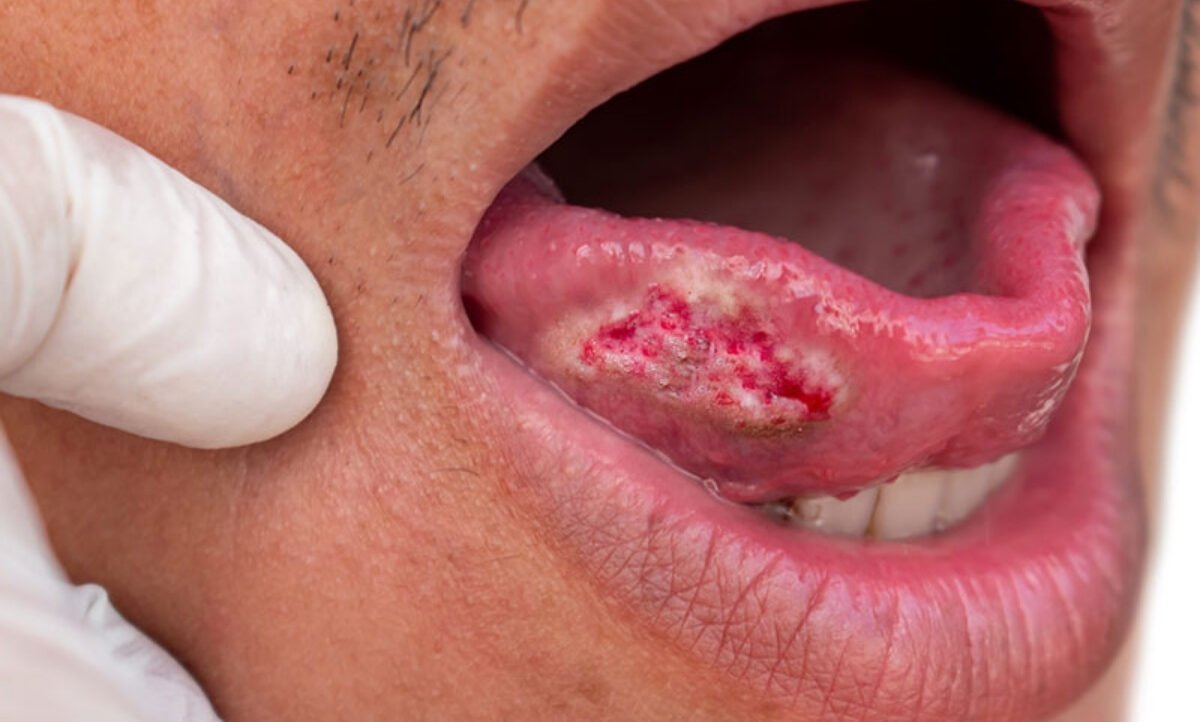
Tongue Cancer Treatment in Ahmedabad
Advanced diagnosis, precise surgical care, and comprehensive treatment for cancers affecting the tongue, with a strong focus on cure, speech preservation, and swallowing function. At Airavat Cancer Care, patients receive specialized head & neck oncology treatment from an experienced team using modern surgical techniques and a multidisciplinary approach, ensuring personalized care and complete support throughout the treatment journey in Ahmedabad.
What is Tongue Cancer?
Tongue cancer is a type of head and neck cancer that develops in the tissues of the tongue. It may occur in the front part of the tongue (oral tongue) or at the base of the tongue (part of the throat region). If not detected early, it can affect speech, chewing, swallowing, and overall oral function.
In India, tongue cancer is commonly associated with tobacco chewing, smoking, and alcohol consumption. Early diagnosis and timely treatment play a crucial role in improving recovery and long-term outcomes.
Instant Business Growth
Marketing Strategy
Social Media Marketing
Strategy of Brands
Common Symptoms of Tongue Cancer
Early signs of tongue cancer can be mild and are often ignored. Some of the common symptoms include:
If any of these symptoms last for more than two to three weeks, medical evaluation is important.
Causes & Risk Factors
Several factors increase the risk of developing tongue cancer:
Tobacco use remains one of the leading causes of tongue cancer in India.
Stages of Tongue Cancer
Tongue cancer is staged based on the size of the tumor and the extent of spread:
Stage I: Small tumor confined to the tongue
Stage II: Larger tumor but still localized
Stage III: Spread to nearby lymph nodes
Stage IV: Advanced stage with deeper tissue or distant spread
Early-stage cancers are easier to treat and have better functional outcomes.
Diagnosis of Tongue Cancer
Diagnosis involves a detailed assessment to confirm cancer and determine its extent:
These tests help create an accurate and personalized treatment plan.
Treatment Options for Tongue Cancer
Treatment depends on the stage, location, and depth of the tumor, along with the patient’s overall health.
Surgical Treatment
Surgery is the most common and effective treatment for tongue cancer. It involves removing the tumor with a margin of healthy tissue to reduce the risk of recurrence.
In some cases, neck dissection may be performed to remove lymph nodes if there is a risk of cancer spread.
Reconstructive Surgery
When a significant portion of the tongue is removed, reconstructive surgery may be required to restore speech and swallowing function. Advanced reconstruction techniques help improve quality of life after treatment.
Radiation Therapy
Radiation therapy may be used:
- After surgery to destroy remaining cancer cells
- As a primary treatment in selected early-stage cases
- In combination with chemotherapy for advanced cancer
Chemotherapy
Chemotherapy is often given along with radiation in advanced stages or when surgery alone is not sufficient.
Targeted Therapy & Immunotherapy
In certain cases, modern therapies may be recommended to improve treatment response and control disease progression.
Advanced Surgical Expertise
Tongue cancer treatment requires precision to balance cancer removal with preservation of speech and swallowing. Careful surgical planning focuses on:
- Complete tumor removal
- Functional preservation
- Reconstruction when required
- Reducing the risk of recurrence
Recovery & Rehabilitation
Recovery varies based on the size of the tumor and the type of treatment performed. Post-treatment support may include:
- Speech Therapy
- Swallowing rehabilitation
- Nutritional support
- Pain management
- Regular follow-up visits
Many patients gradually regain their ability to speak and eat with proper rehabilitation and care.

Why Choose Airavat Cancer Care for Tongue Cancer Treatment?
1. Specialized Head & Neck Oncology Expertise
2. Advanced Surgical Techniques
3. Multidisciplinary Treatment Approach
4. Reconstruction & Rehabilitation Support
5. Comprehensive Cancer Care
6. Patient-Centered Care
Frequently Asked Questions
Is tongue cancer curable?
What is the most common cause of tongue cancer?
Will surgery affect speech permanently?
How long does treatment usually take?
Can tongue cancer spread quickly?
Persistent ulcers, pain, or unusual changes in the tongue should not be ignored. Early consultation can lead to timely diagnosis and better treatment outcomes.