Breast Cancer Surgery – Modified Radical Mastectomy
Modified Radical Mastectomy (MRM) is a well-established surgical procedure performed to treat breast cancer by removing the entire breast tissue along with axillary lymph nodes while preserving the chest wall muscles. This surgery is commonly recommended for patients with invasive breast cancer where breast conservation may not be suitable due to tumor size, multicentric disease, or other clinical factors. The primary goal of MRM is complete cancer removal with adequate local and regional control to reduce recurrence risk and improve long-term survival.
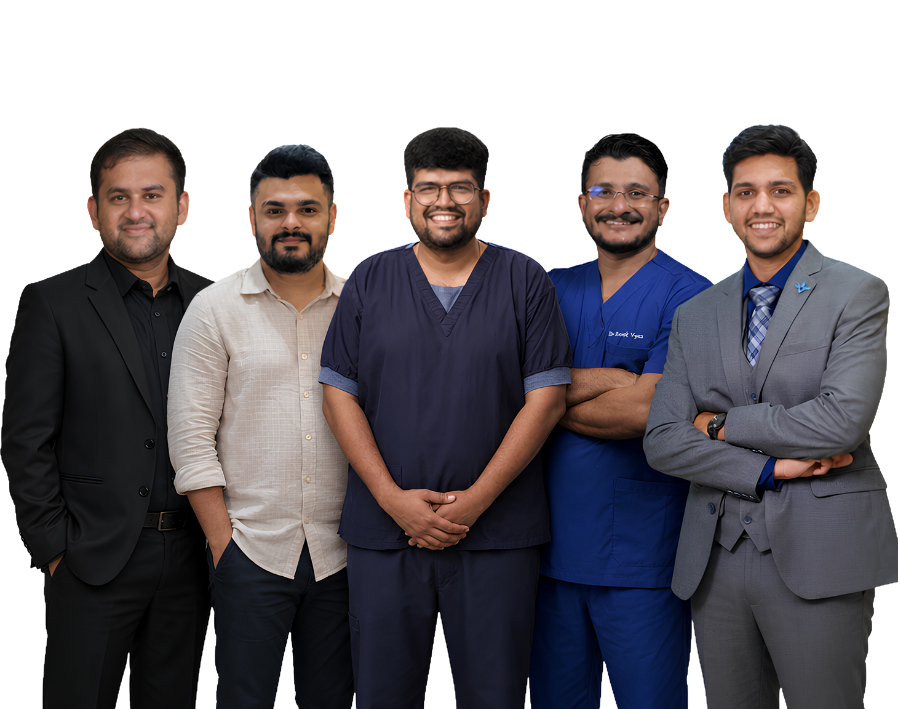
At Airavat Cancer Care, Modified Radical Mastectomy is performed with meticulous oncologic precision and careful attention to postoperative recovery and rehabilitation. Our approach ensures thorough tumor clearance while minimizing surgical complications and supporting patients through their physical and emotional recovery journey.
What Is Modified Radical Mastectomy?
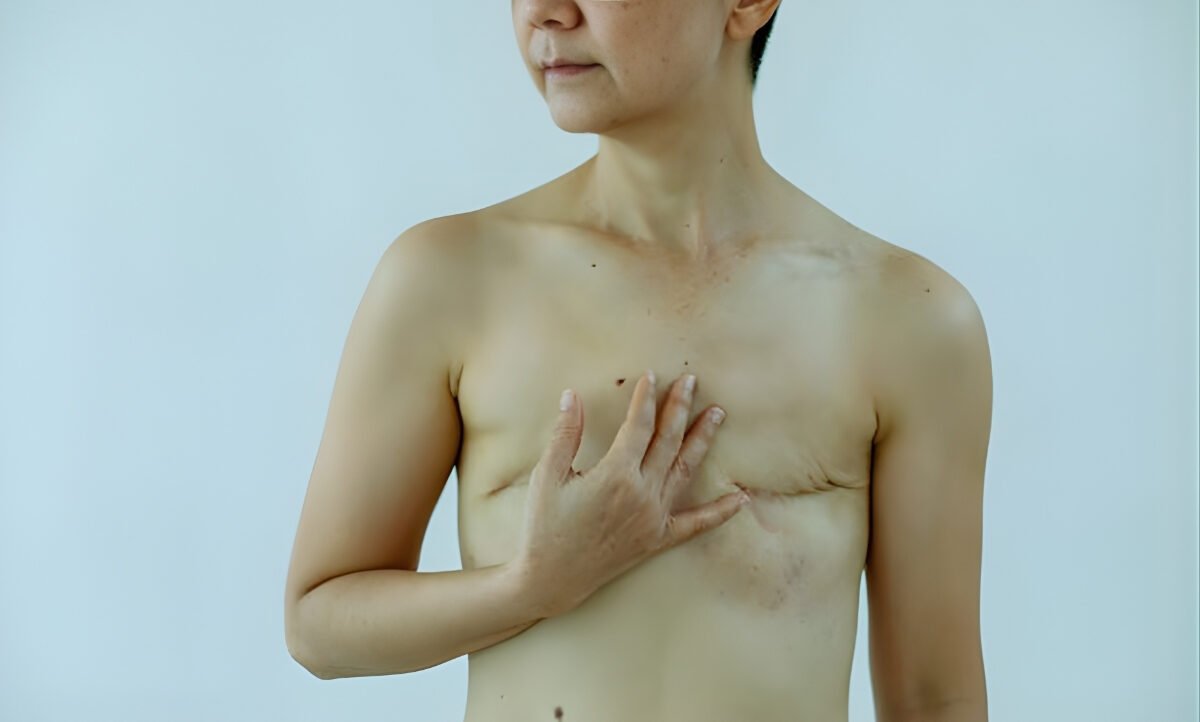
Modified Radical Mastectomy is a surgical procedure that involves removal of the entire breast tissue including the nipple-areola complex, along with axillary lymph node dissection. Unlike older radical mastectomy techniques, the chest wall muscles are preserved, which helps maintain upper limb function and reduces postoperative morbidity.
This procedure provides effective local disease control, particularly in patients with invasive cancer that has spread to lymph nodes or when breast-conserving surgery is not feasible.
Benefits of Modified Radical Mastectomy
Modified Radical Mastectomy may be recommended in:
How Is Modified Radical Mastectomy Performed?
The procedure begins with preoperative imaging and staging evaluation to assess tumor size and lymph node status. During surgery, an incision is made to remove the entire breast tissue along with the nipple–areola complex. Axillary lymph node dissection is performed to remove potentially affected lymph nodes and determine the extent of cancer spread.
The chest wall muscles are preserved, which distinguishes this technique from older radical mastectomies. Surgical drains are placed temporarily to prevent fluid accumulation. Depending on patient preference and oncologic safety, breast reconstruction may be planned either immediately or at a later stage.
Benefits of Modified Radical Mastectomy
Advanced Surgical Expertise, Recovery & Rehabilitation
Successful outcomes in MRM require precise surgical technique and careful lymph node dissection to minimize complications such as seroma, infection, or lymphedema. Our approach emphasizes meticulous hemostasis, nerve preservation, and structured postoperative monitoring.
Recovery typically involves a short hospital stay followed by gradual resumption of daily activities. Guided shoulder physiotherapy and lymphedema prevention strategies are initiated early to maintain arm mobility and function. Long-term follow-up includes regular examinations and imaging to monitor for recurrence.
Emotional support and reconstruction counseling are integral parts of comprehensive breast cancer care.

Why Choose Airavat Cancer Care for Modified Radical Mastectomy?
1. Experienced Breast Surgical Oncology Team
2. Structured Multidisciplinary Planning
3. Muscle-Sparing Surgical Technique
4. Comprehensive Lymphedema Prevention Protocol
5. Reconstruction Guidance and Survivorship Care
Frequently Asked Questions
How long does surgery take?
Will I need chemotherapy after MRM?
Is arm swelling common after surgery?
Can I undergo reconstruction later if not done immediately?
Does mastectomy completely eliminate recurrence risk?
Meet our surgical oncology team to understand whether Modified Radical Mastectomy is the most appropriate treatment option for your diagnosis and stage of breast cancer.