Lung Cancer Treatment in Ahmedabad
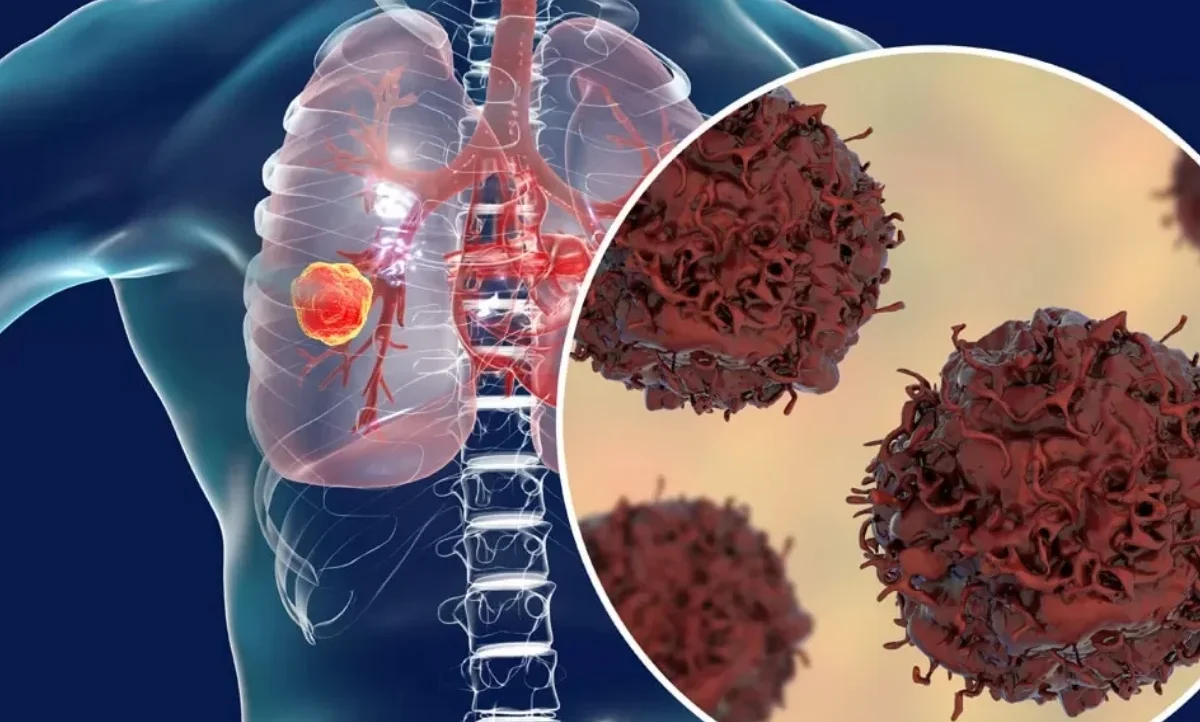
Lung cancer is one of the most common and serious cancers affecting both smokers and non-smokers. It occurs when abnormal cells in the lungs grow uncontrollably and form tumors that interfere with normal breathing and oxygen exchange.
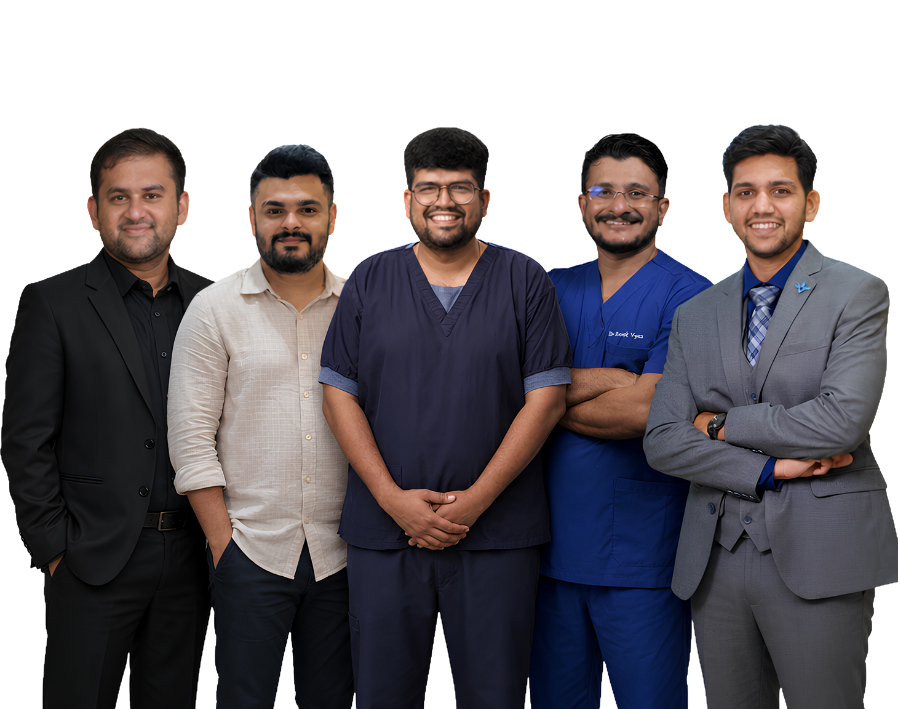
At Airavat Cancer Care Hospital, patients receive comprehensive lung cancer care through early diagnosis, advanced imaging, and personalized treatment planning designed to improve survival outcomes and quality of life.
What is Lung Cancer?
Lung cancer develops when abnormal cells in the lungs begin to grow uncontrollably, forming a mass or tumor. Over time, these cancerous cells can spread to nearby lymph nodes or other organs if not treated early. Lung cancer is broadly classified into non-small cell lung cancer and small cell lung cancer, each requiring a specific treatment approach.
Common Symptoms of Lung Cancer
Common symptoms may include:
Early symptoms are often mild, making timely evaluation essential.
Stages of Lung Cancer
- Stage I: Cancer confined to the lung
- Stage II: Spread to nearby lymph nodes
- Stage III: Cancer extends to surrounding structures
- Stage IV: Cancer spreads to distant organs
Staging helps determine the most suitable treatment plan.
Diagnosis of Lung Cancer
Diagnosis of lung cancer begins with a thorough clinical assessment and imaging studies such as chest X-ray, CT scan, or PET scan to detect abnormal growths in the lungs. If a suspicious lesion is found, further evaluation using bronchoscopy or biopsy may be performed to confirm the presence of cancer cells. Additional tests such as molecular profiling and staging investigations help determine the type of lung cancer and guide treatment planning. Accurate diagnosis is critical to ensure the most effective and targeted therapy.
Treatment Options for Lung Cancer
Surgical Resection (Lobectomy / Pneumonectomy)
Surgery may be recommended in early-stage lung cancer to remove the tumor along with a portion of the affected lung tissue while preserving maximum healthy lung function.
Minimally Invasive Lung Cancer Surgery
Selected patients may benefit from laparoscopic or thoracoscopic surgical techniques that allow tumor removal with smaller incisions, reduced pain, and faster recovery.
Chemotherapy
Anti-cancer drugs may be used before or after surgery to destroy remaining cancer cells and reduce the risk of recurrence.
Targeted Therapy
Targeted medications act on specific genetic mutations in cancer cells to slow or stop tumor growth with fewer effects on normal cells.
Immunotherapy
Immunotherapy helps the body’s immune system recognize and attack cancer cells more effectively in certain types of lung cancer.
Radiation Therapy
Radiation therapy may be used as a primary treatment or along with surgery or chemotherapy to destroy cancer cells and control tumor growth.
Advanced Surgical Expertise
Lung cancer surgeries require high precision to remove tumors while preserving as much healthy lung tissue as possible. Minimally invasive surgical approaches may be considered in suitable cases for faster recovery and reduced post-operative discomfort.
Recovery & Rehabilitation
Post-treatment recovery includes breathing exercises, pain management, and gradual return to daily activities. Regular follow-up visits are essential to monitor lung function and detect any recurrence early.
Why Choose Airavat Cancer Care for Lung Cancer Treatment in Ahmedabad?
1. Experienced Oncology Team
2. Advanced Diagnostic Support
3. Personalized Treatment Planning
4. Minimally Invasive Surgical Options
5. Comprehensive Follow-Up Care
Frequently Asked Questions
Can non-smokers develop lung cancer?
Is lung cancer curable if detected early?
What treatments are available for advanced lung cancer?
How is lung cancer confirmed?
Are follow-up visits necessary after treatment?
If you are experiencing symptoms or have been diagnosed with lung cancer, timely consultation can make a significant difference.