Left superficial parotidectomy with selective neck dissection for high-grade mucoepidermoid carcinoma
PATIENT AGE
31 Years
GENDER
Male
TUMOUR SIZE
33 × 28 mm
PATHOLOGICAL STAGE
pT2N2
Clinical History
A 31-year-old male presented with a 3 × 3 cm mass in the left parotid region. MRI confirmed a 33 × 28 mm lesion with microcalcifications in the left parotid gland, along with an intraparotid lymph node measuring 15 × 8 mm showing loss of fatty hilum — a finding suspicious for nodal involvement. Multiple pathological lymph nodes were identified in the left neck at levels 2 and 3, the largest measuring 23.3 × 12.5 mm. Given these findings, the patient was planned for left superficial parotidectomy with selective left neck node dissection.
Surgical course
Pre Operative Planning
Thorough radiological review of MRI findings with attention to tumour extent, facial nerve proximity, and regional nodal disease to anticipate surgical anatomy and minimise risk.
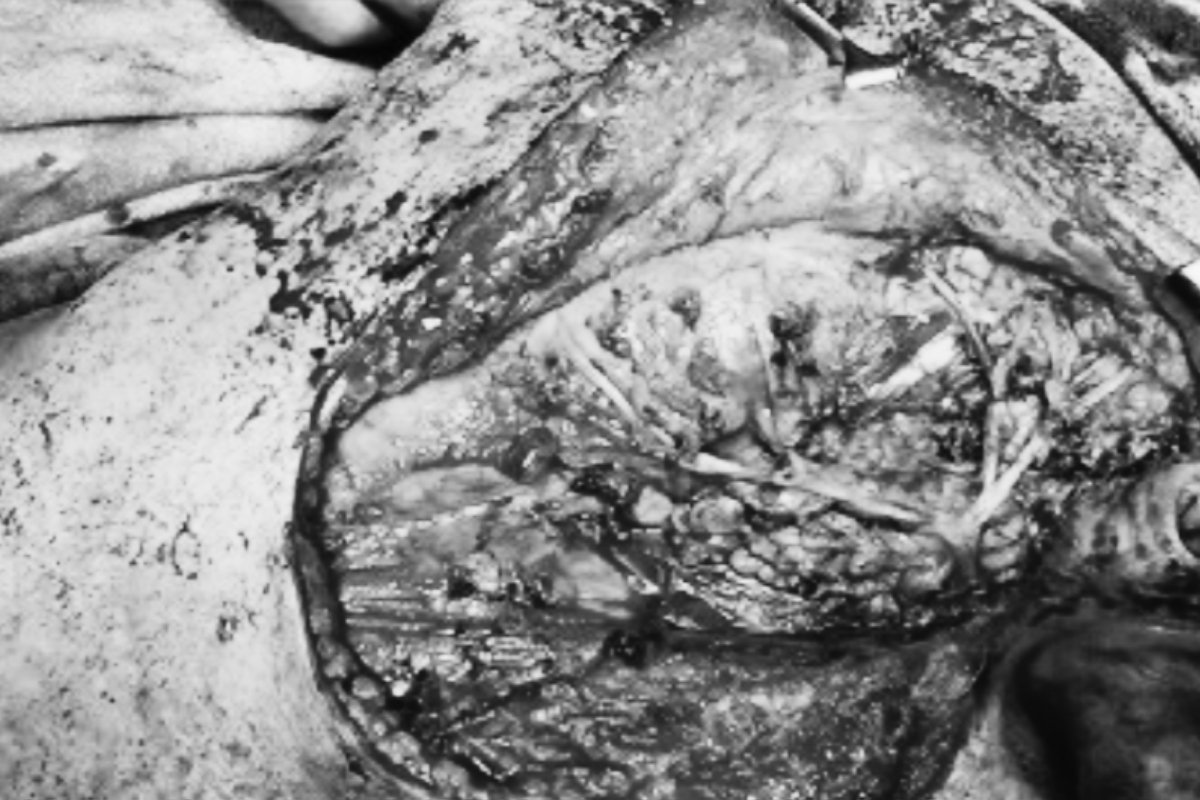
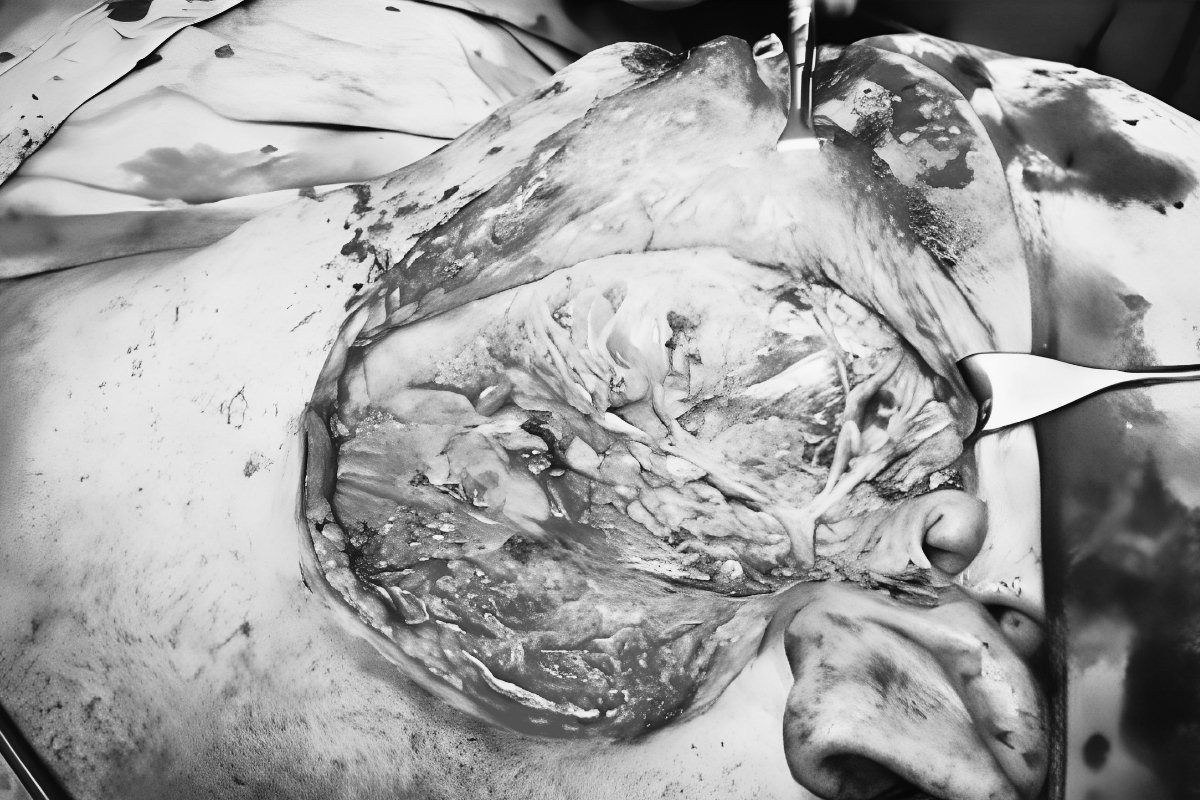
Left superficial parotidectomy
Careful identification and preservation of the facial nerve throughout dissection. The superficial lobe of the parotid gland was excised with oncologically adequate margins while protecting all branches of the facial nerve.
Selective left neck dissection (levels 2 & 3)
Targeted dissection of pathological lymph nodes at levels 2 and 3 performed concurrently. A total of 15 lymph nodes were retrieved for histopathological examination.
Complete resection with clear margins
Histopathological examination confirmed uninvolved surgical margins — a key indicator of surgical precision in high-grade parotid malignancy.
Diagnosis
High-grade mucoepidermoid carcinoma
Lymph nodes
3 of 15 positive
Perineural invasion
Present (PNI+)
Surgical margins
Uninvolved (clear)
Extranodal extension
Present (ENE+)
Lymphovascular invasion
Present (LVI+)
Successful oncological resection
Complete resection was achieved with clear margins and intact facial nerve function, enabling smooth post-operative recovery and timely transition to adjuvant therapy planning.
Expert Surgical Oncology Care Is Just One Call Away
Whether you’re seeking a diagnosis, treatment guidance, or a second opinion, our experienced cancer specialist is here to help you make informed decisions with confidence.