
Breast cancer remains one of the most common cancers diagnosed in women, but earlier detection and better imaging mean more cases are now caught while they’re still small and localized. For many women, the hardest part of hearing the diagnosis isn’t the treatment itself; it’s the fear of losing a breast entirely. So it’s worth asking clearly: can breast cancer actually be cured without removing the whole breast? For many patients, the answer is yes.
At a comprehensive cancer hospital, breast-conserving treatment is often the starting point of the conversation, not the exception. With modern imaging, precise surgical techniques, and access to radiation and systemic therapies under one roof, patients today have real choices that didn’t exist a generation ago.
What Does Breast-Conserving Treatment Actually Involve?
Breast-conserving treatment means removing the cancer itself while keeping as much of the healthy breast tissue intact as possible. Instead of taking the whole breast, the surgical team removes the tumor and treats the surrounding area to catch anything left behind. A few key points to understand:
- It combines surgery with follow-up therapy. A smaller surgery is typically paired with radiation, and sometimes chemotherapy or hormone-based treatment.
- It works best for early-stage cancer. Small, single-location tumors respond well to this approach.
- It keeps the breast’s natural shape. Most of the breast’s tissue and appearance are preserved.
- Outcomes are comparable. For the right candidates, long-term survival rates closely match those of full breast removal.
This approach is a standard part of breast cancer care at any well-equipped cancer hospital today.
Lumpectomy: Taking Out Only the Tumor
A lumpectomy is the surgical foundation of breast conservation. Rather than removing the entire breast, the surgeon takes out just the tumor along with a thin margin of healthy tissue around it. Here’s what that generally looks like:
- Focused removal. Only the cancerous area and a safety margin are taken.
- Often a same-day procedure. Many patients go home the same day or the next.
- Radiation almost always follows. This step clears out any microscopic cancer cells left behind.
- Shape-preserving techniques. Oncoplastic surgical methods help maintain a natural breast appearance afterward.
Why Radiation Plays Such a Big Role
Radiation therapy is really what makes breast conservation safe over the long run. After a lumpectomy, a few cancer cells too small to see or feel can remain in the breast tissue. Radiation is what takes care of them. It helps by:
- Targeting leftover cells in the treated area that surgery alone can’t remove
- Lowering the chance of recurrence in the same breast
- Focusing precisely on the treatment area while sparing as much healthy tissue as possible
- Fitting into a manageable schedule, often delivered in short daily sessions over a few weeks
Some patients may also qualify for newer options, such as radiation delivered during surgery, which can shorten the overall treatment timeline.
Where Chemotherapy and Targeted Therapy Fit In
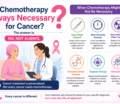
Surgery and radiation deal with the cancer at its original site, but sometimes the disease needs to be addressed throughout the body, too. This is where systemic therapies come in, chosen based on how the specific tumor behaves:
- Chemotherapy can shrink a tumor before surgery, sometimes making breast conservation possible when it wouldn’t have been otherwise.
- Targeted therapy targets specific genetic features of cancer cells, sparing more of the surrounding healthy tissue.
- Hormone therapy blocks the hormones that fuel certain types of breast cancer, lowering the risk of it coming back.
- Every plan is personalized, based on the tumor’s stage, type, and individual test results.
What Determines Whether Conservation Is Right for You?
Not everyone is a candidate for breast-conserving treatment, and that decision depends on several factors your care team will walk through with you:
- Tumor size relative to the breast. A small tumor in a larger breast is easier to treat this way than a large tumor in a small breast.
- Number and location of tumors. A single, contained tumor is more suitable than cancer found in multiple spots.
- Cancer stage. Earlier stages generally have more options available.
- Genetic risk factors. Carriers of certain inherited gene mutations may face a higher recurrence risk and might weigh other options.
- Ability to undergo radiation. Since radiation is a core part of conservation, your overall health needs to support that treatment.
- Personal preference. Comfort level and peace of mind matter just as much as the medical facts.
Choosing Confidence Over Fear
For many women, breast cancer can be treated effectively without losing the entire breast. With early detection and the right combination of lumpectomy, radiation, and, when needed, systemic therapy, breast conservation can offer the same level of cancer control along with a better quality of life afterward.
The most important step is getting an accurate diagnosis and a personalized plan from an experienced team. A trusted cancer hospital like Airavat Cancer Care, with access to surgical oncologists, radiation specialists, and reconstructive options, can help you make a confident, informed decision rather than choosing based on fear alone.